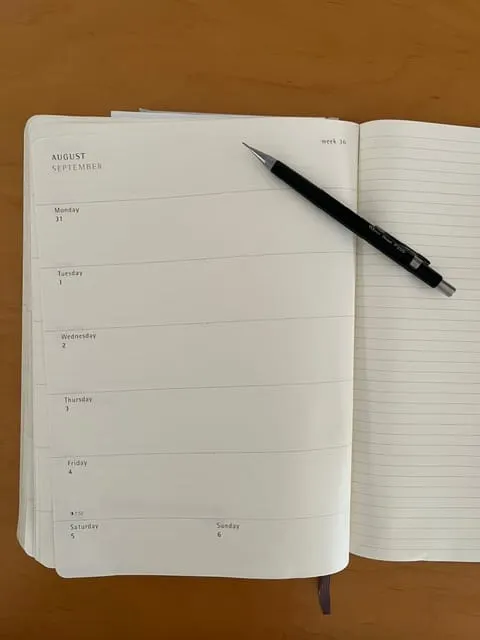
Nag, nag, digital nag
The nice thing about reminder messages — not the ones you choose on your device calendar but the ones that arrive from the outside world — is that they’re unexpected. In the middle of a bland afternoon a text or email pops up that’s the equivalent of “Hi, how’re you doing, we’re looking forward to seeing you.”
The not-nice thing is that they don’t know when to shut up.
Our personal calendars work on our behalf; we’re the boss and they’re our personal assistants. Outsider messages tend to nag, if not bully. They trade on our fear that we’d be lost without them: The worrying implication behind all this help is that we need it. There’s also an implicit dare to their hyperactivity. They exploit our fear of missing out on something important, whether it’s a doctor’s appointment or a flash sale on a pair of jeans we looked at last week.
Turn them off at your peril, that’s the message. So we sort through them, sometimes dozens every morning; they are there both to overload the airwaves and to save us from overload.
I really like my periodontist — which I suppose makes me a questionable source on just about anything — but if there were a prize for most reminders, his office would win hands down. It sends one to confirm the next appointment before I get downstairs to the parking garage after leaving this one.
As the date approaches, I get double-teamed by text and email, in a friendly tone more appropriate to a 7 p.m. table at a trendy restaurant than to a potential dental implant. And speaking of restaurants, I now get a message confirming a reservation, a reminder the day before, and an eager “we’ll see you in an hour.”
I can empathize: An empty doctor’s exam room or a vacant corner booth doesn’t generate revenue, and penalty fees hardly suffice. I’m less forgiving of retailers who see an online purchase as merely the beginning of a beautiful friendship, as the order confirmation spirals into an endless set of speculative messages about what else I should buy to complete my look. If I browse but don’t buy, I get multiple messages questioning my judgment, followed by blessed silence, followed by a second round. I’m also guaranteed messages from companies I’ve never heard of before, because clearly they share data despite all my efforts to opt out.
And in the political primary and midterm season, I get reminders about candidates in states I’ve never lived in, about hot-button issues, about new publications I ought to read.
I don’t think my parents missed a single doctor’s appointment, forgot restaurant reservations, skipped big sales, or slept through Election Day, back when we had only ourselves and hand-written paper calendars to rely on, and they were busy people. What they weren’t was glued to their screens, because the only one they had was a black-and-white television set. They remembered things because it was part of their job description as adults.
So I don’t quite buy the notion that we need outside reminders to function, and I worry about the corollary, which boils down to use it or lose it. If we rely more and more on these techno-help messages to manage our lives, won’t we become dependent on them in the process?
Of course, I could opt out of these reminders. But I don’t. Maybe it is the residual effect of the loneliness many of us felt during the COVID-19 pandemic, when it was safer to hang out with algorithms than with other people. We’ve gotten used to them keeping us company. Besides, I like knowing when Levi’s are on sale without having to drive and park and wander through a store that may not have my size. I like knowing about a special restaurant event.
Reminders keep me in the loop. I recall the Philosophy 101 question that bedeviled me: If a tree falls in the forest and no one is there to hear it, does it make a sound? If I open my laptop in the morning and no one has reached out to me from the vast cyber-beyond, am I in fact here?
So I compromise. I keep the messages active, scroll through them really fast to prove I don’t care, and complain to prove I’ve not been seduced. Then I hit “delete” with a so-there flourish, and tell myself I am still, sort of, in charge.
More Articles
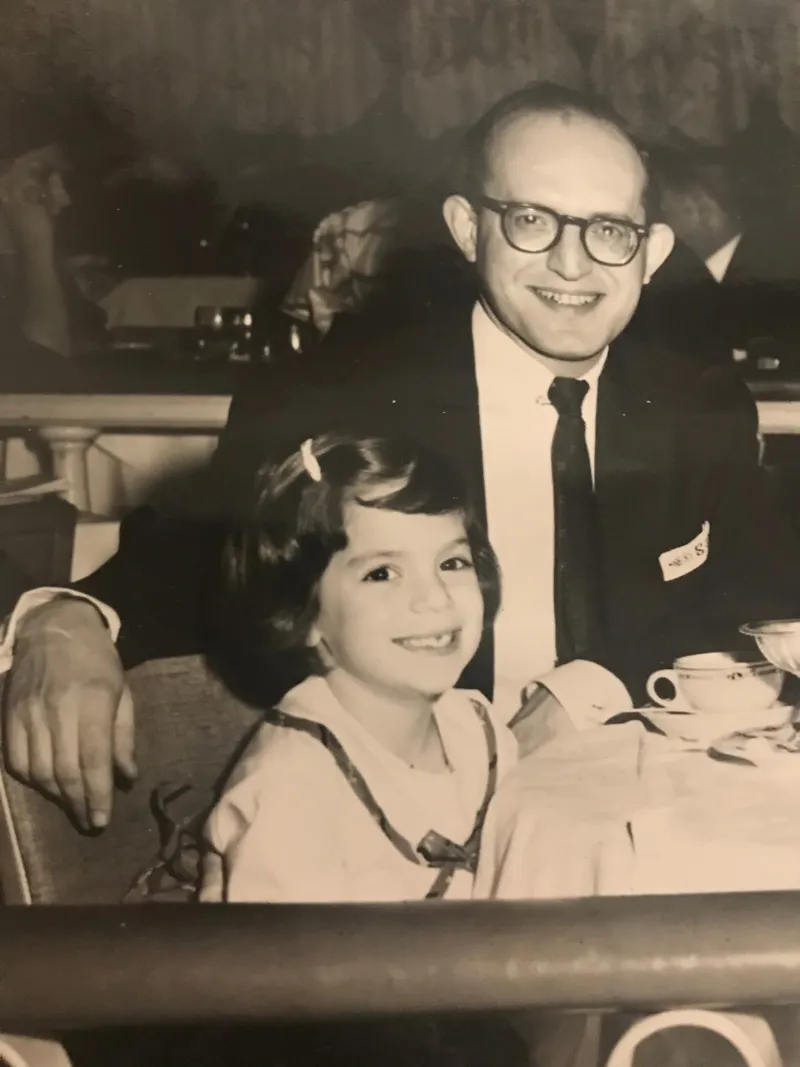
Restaurant baby
Recipe for a happy childhood: Bottomless Shirley Temples while my dad sold stockpots.

A good man is easy to find — and hard to date.
Men prefer younger women. Women over 60, you know I’m right.

Am I too old to get a dog?
To get a dog or not to get a dog, that is the question.

Freebie food: Why we can’t trust restaurant influencers
Tell me if you've heard this one: An influencer walks into a bar. . . . No, wait. It's no joke.
Second Helpings
Subscribe for updates, articles, and commentary directly to your inbox.